Media, news & democracy
Responsible news recommendation, AI-supported journalism, misinformation, provenance, usable transparency, selective exposure and news avoidance.
The Norwegian Computational Behaviour & AI Lab is an interdisciplinary research initiative led by Professor Christoph Trattner at the University of Bergen. It connects researchers, students and external partners studying how recommender systems, generative AI and digital platforms influence what people see, choose, believe and trust.
Our work combines computational modelling, behavioural theory, human-centred AI and empirical evaluation. Rather than treating AI as a purely technical optimisation problem, we examine how systems interact with human agency, values, institutions and social contexts—particularly in media and democracy, health and food, and digital platforms.
Research pillars
Across application domains, the central question is the same: how can AI systems be useful and innovative without undermining agency, appropriate trust, diversity or societal values?
Responsible news recommendation, AI-supported journalism, misinformation, provenance, usable transparency, selective exposure and news avoidance.
Food and health recommender systems, digital nudging, cross-cultural dietary behaviour, sustainability and the quality of AI-generated advice.
Personalisation, popularity bias, long-term user experience, platform behaviour and human–AI interaction beyond short-term engagement metrics.
Methods
The initiative combines technical development with behavioural and societal evaluation.
Recommender systems, machine learning, simulations and data-driven models of user behaviour.
Controlled studies, online experiments and longitudinal evaluations of behaviour, trust and choice.
Interfaces, explanations and decision-support tools designed around users and professional practices.
Living-lab studies and evaluations with media, technology, health and public-sector organisations.
Current directions
How can people recognise trustworthy AI-supported content without either rejecting AI blindly or relying on it uncritically?
How can recommender systems broaden attention and curiosity instead of simply reinforcing existing interests?
How should AI support editors and journalists while preserving professional judgement, accountability and control?
How can personalised systems encourage healthier and more sustainable choices while avoiding manipulation and over-reliance?
Research environment
The Lab provides a thematic home across complementary research and innovation environments.
Foundational and applied research on recommender systems, personalisation and user modelling.
Large-scale research–industry collaboration and real-world experimentation in responsible media technology.
Collaborations across information science, media studies, psychology, health research, HCI and data science.
Selected scholarship
A balanced selection representing the initiative’s work across responsible media AI, recommender systems and computational health and food behaviour.
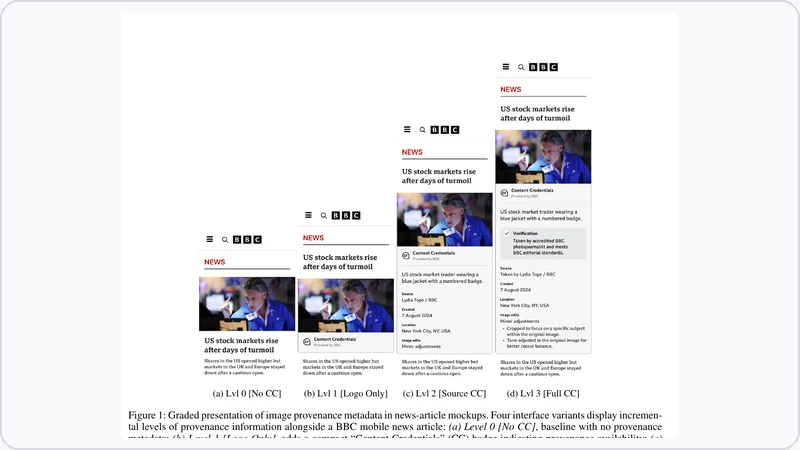
Cross-country evidence on how content provenance affects trust in news platforms.
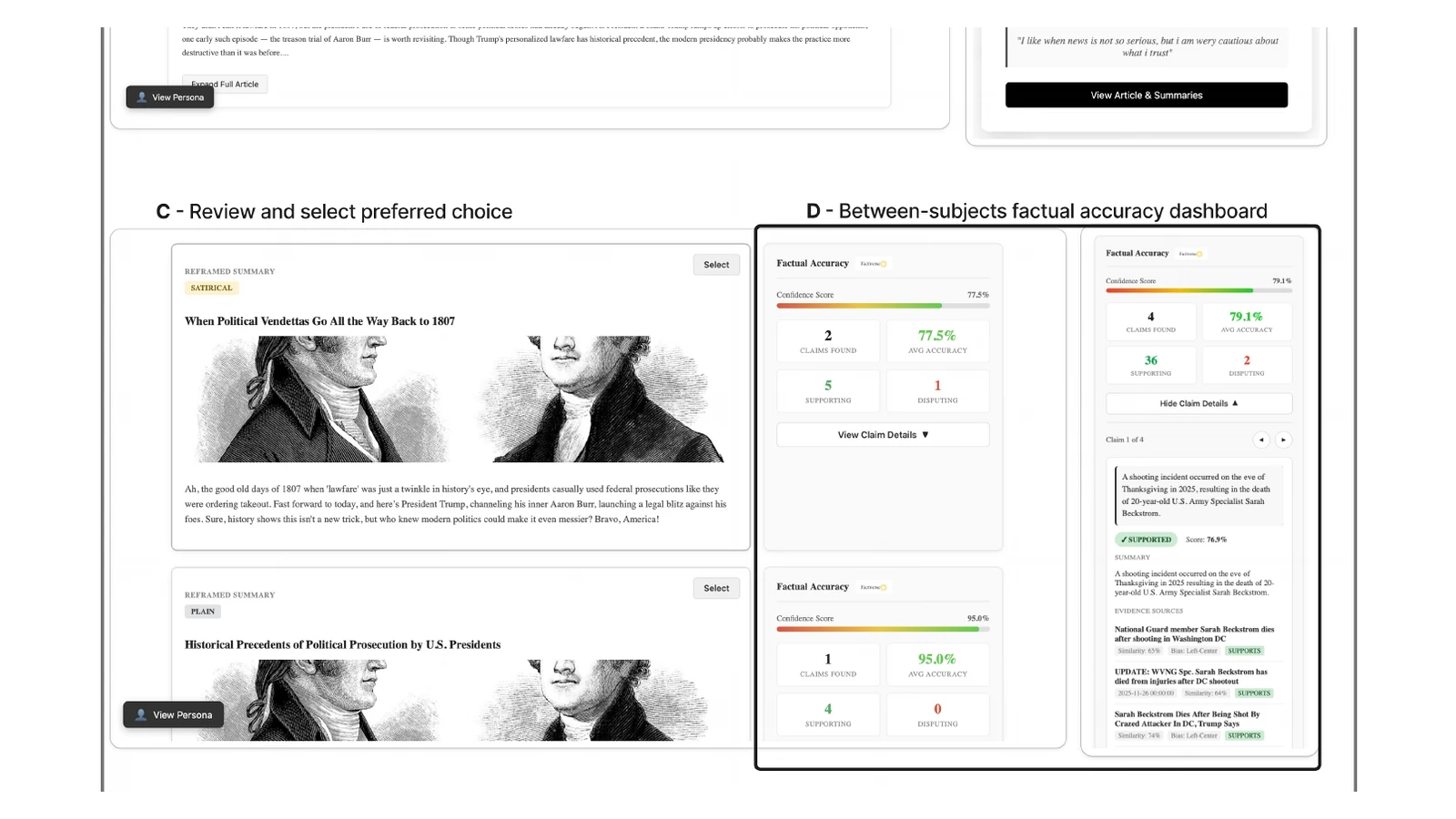
Examines how evidence-grounded explanations can support editorial oversight of personalisation.
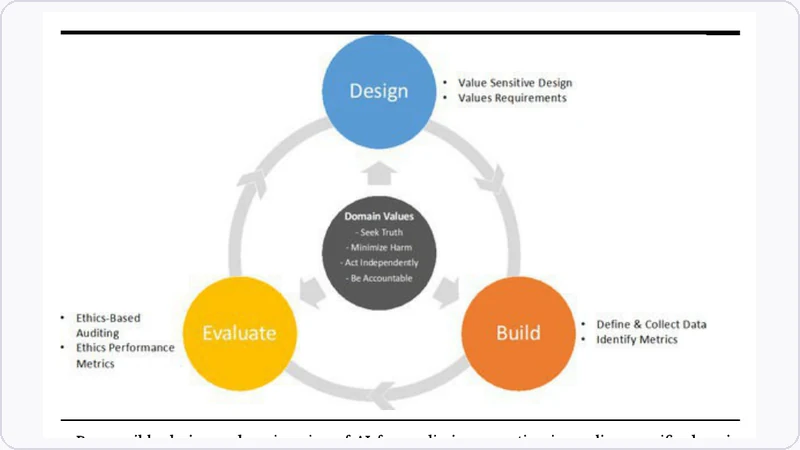
Shows how professional journalism ethics can become practical design constraints for responsible AI.
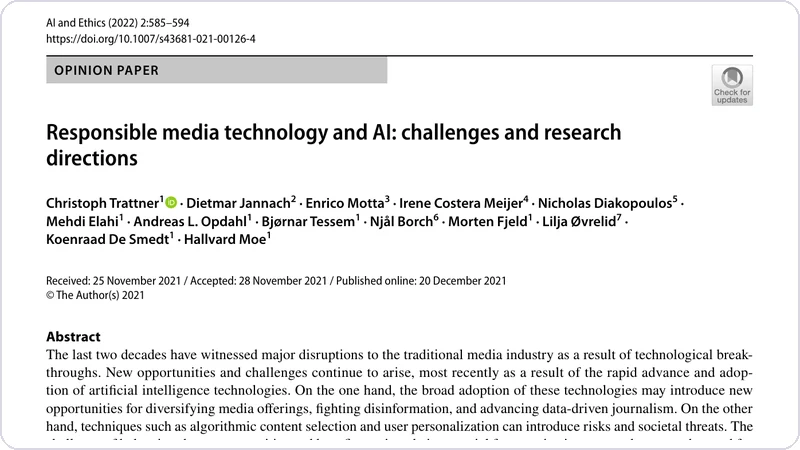
A research agenda for responsible AI across news production, recommendation and media use.
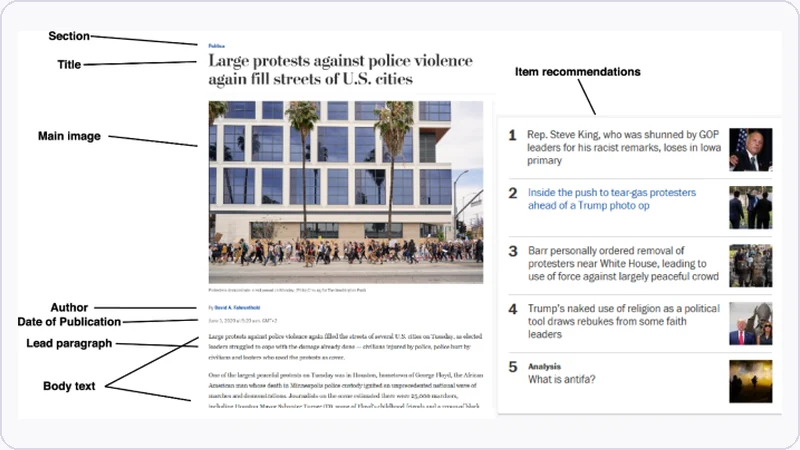
Connects algorithmic similarity measures with how people actually judge related news content.
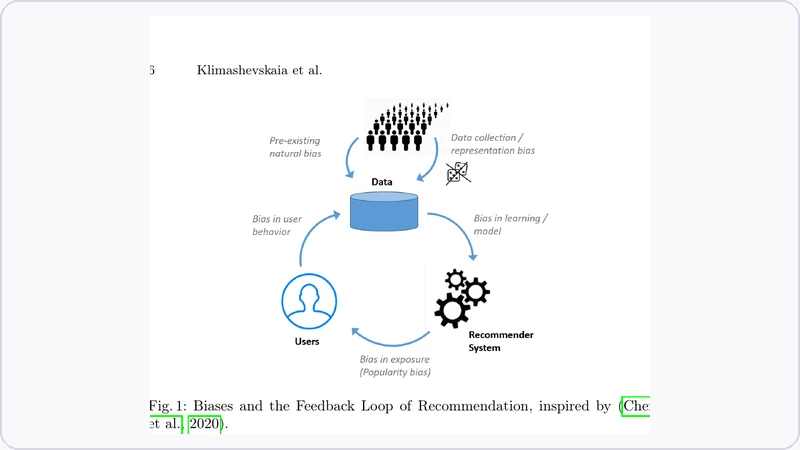
Systematises how popularity bias emerges, how it affects stakeholders and how it can be evaluated and mitigated.
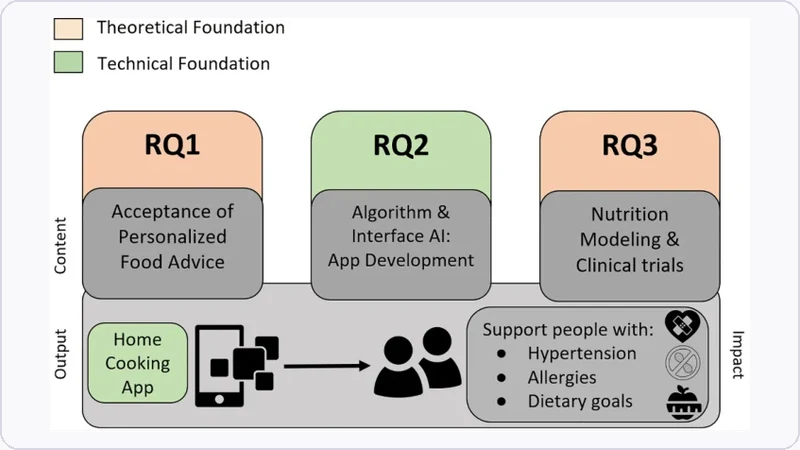
Outlines a human-centred agenda for personalised nutritional advice and responsible behaviour change.
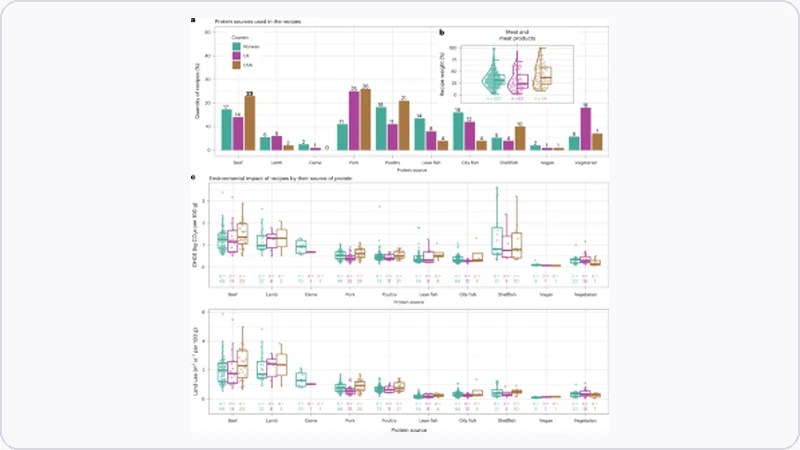
Large-scale evidence on nutritional quality and environmental impact across national recipe cultures.
The initiative welcomes research collaboration with academic, industry and public-sector partners, as well as strong student projects aligned with its research themes.